If you’re building or redesigning a website, you’ve probably asked the same question: should you use a template or invest in a custom website? Both options can work—but they’re designed for very different situations. Choosing the wrong one can lead to wasted time, missed opportunities, and a site that doesn’t actually help your business grow.

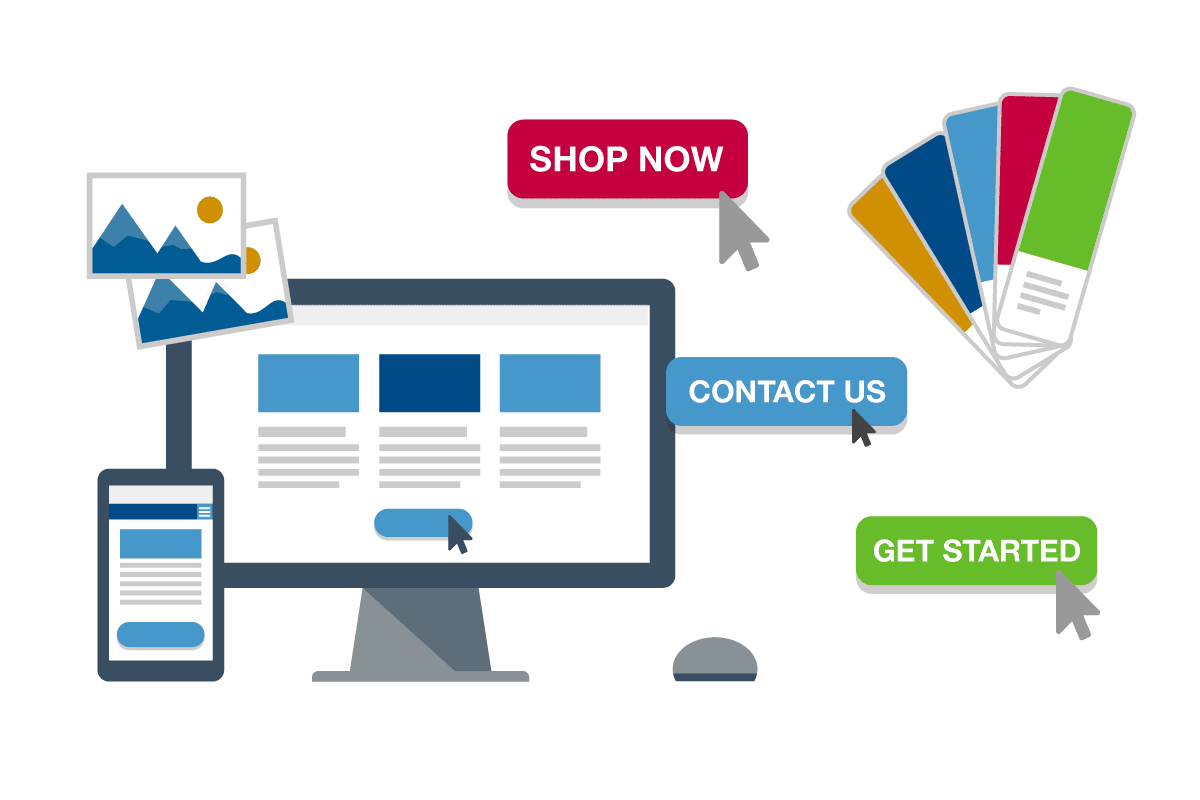
Website templates are pre-designed layouts that you customize with your own content, colors, and images. They’re widely used across platforms like Webflow, WordPress, and Shopify because they allow businesses to get online quickly and at a lower cost.
Templates are ideal for new businesses, simple websites, or situations where the main goal is to establish an online presence without heavy investment.
However, templates come with limitations. They often use generic layouts, restrict customization, and aren’t optimized for any specific business. As your business grows, these constraints can make it harder to stand out or improve performance.
Templates are great for getting started—but they’re not built for long-term differentiation or growth.
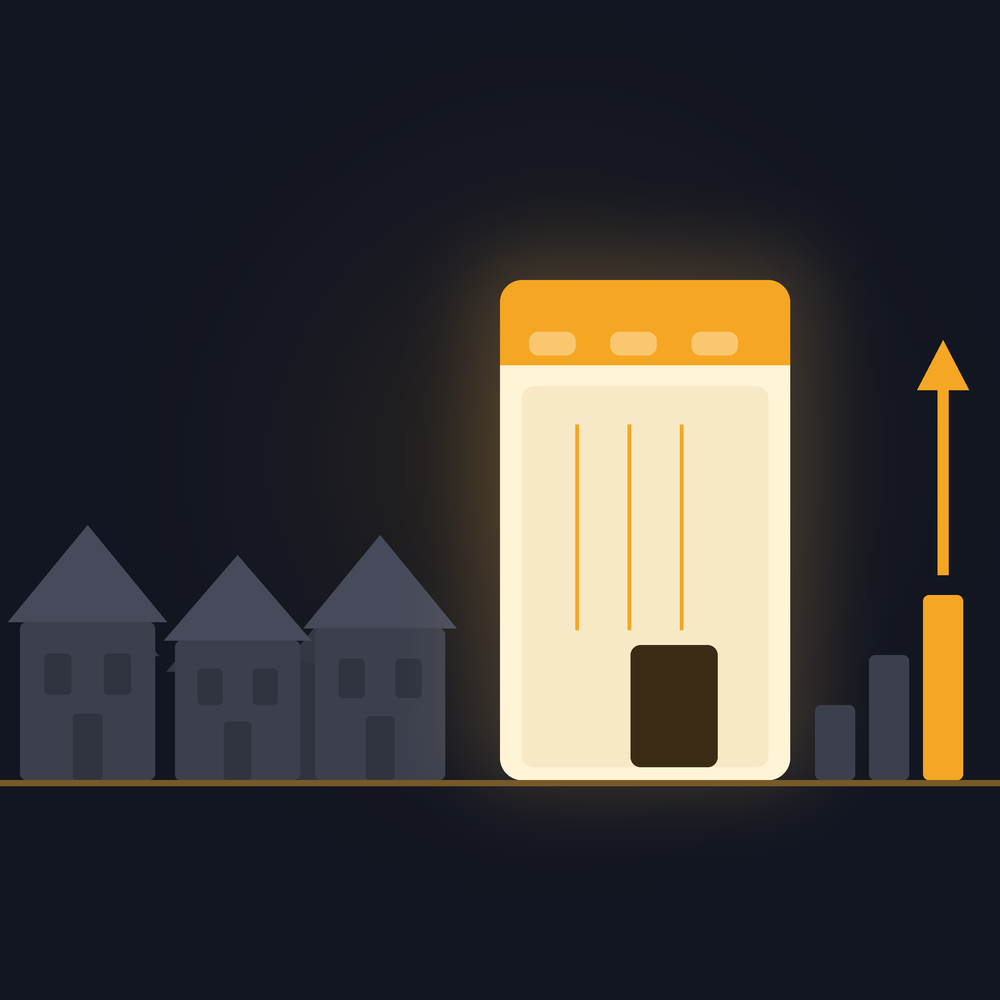
A custom website is designed specifically for your business, your audience, and your goals. Instead of fitting your content into a pre-built layout, the entire structure is created to support your messaging and guide users toward action.
Custom websites provide more flexibility, stronger branding, and better scalability. They’re especially valuable for businesses focused on generating leads, increasing sales, or competing in crowded markets.
Because everything is built intentionally, custom websites are also easier to optimize for conversions and long-term performance.
Custom websites are designed to convert, scale, and grow with your business.

If you’re not sure whether your current website is helping or hurting your results, start with a quick evaluation. Our free 5-second website test scores how your site performs from a first-time visitor’s perspective—and where it may be limiting your growth.

The biggest difference between templates and custom websites shows up in performance.
Templates are designed to work for many businesses, which means they’re optimized for none in particular. They often lack the structure needed to guide users through a clear journey or highlight your unique value.
Custom websites, on the other hand, are built with conversion in mind. They reduce friction, emphasize your strengths, and make it easier for visitors to take action.
If your website’s goal is to generate leads or sales, this difference becomes critical.
Templates provide structure—custom websites provide strategy.
The right choice depends on your goals—not just your budget.
Templates are best for businesses that need a simple, fast, and cost-effective way to get online.
Custom websites are best for businesses focused on growth, differentiation, and performance. They provide the flexibility and structure needed to support long-term success.
Many businesses start with a template and later transition to a custom website once they outgrow its limitations.
The key is choosing the option that aligns with where your business is now—and where it’s going.
Templates and custom websites both have their place—but they serve different purposes.
If you need something quick and simple, a template may be enough for now.
But if your goal is to generate leads, stand out in your market, and build a site that grows with your business, a custom website is usually the better investment.
The right choice isn’t about what’s cheaper—it’s about what supports your long-term success.
If you’re not sure whether your current website is helping or hurting your results, start with a quick evaluation. Our free 5-second website test scores how your site performs from a first-time visitor’s perspective—and where it may be limiting your growth.

Explore strategies and insights for growing your brand
Real results from people who trusted us with their business.
Common questions about content strategy and how Social Reach works
We’re a full-service marketing and design agency that covers both digital and physical touchpoints. That includes websites, SEO, and advertising, as well as printed materials like flyers, signage, and branded merchandise. Our goal is to make sure your business looks professional and consistent everywhere your customers interact with you—online and offline.
We treat your website as the foundation, then build around it with marketing and design. Online, that might mean SEO, content, or ads to drive traffic. Offline, it includes branded materials that support your presence in the real world. When everything is aligned—your website, marketing, and print—it creates a stronger, more trustworthy brand that converts more customers.
It depends on your business, but many local and service-based companies benefit from both. Digital marketing helps people find you, while print materials reinforce your brand in person—whether that’s at events, in your storefront, or through direct outreach. We help you choose the right mix so you’re not overspending, but still making the biggest impact.
In addition to building high-performing websites, we offer SEO, digital advertising, and content strategy to help drive traffic and leads. On the design side, we create everything from logos and brand assets to printed materials like brochures, signs, and merchandise. This allows us to support your business across every stage of growth.
Working with one team keeps everything consistent and strategic. When different vendors handle your website, marketing, and print materials, the messaging and design often become disconnected. We make sure everything—from your website to your flyers—feels cohesive and supports the same goal: building trust and bringing in more customers.
Schedule a call with us to discuss what you need to grow