January 14, 2026
7 Essential Steps to Maximizing Website Conversions
7 mins
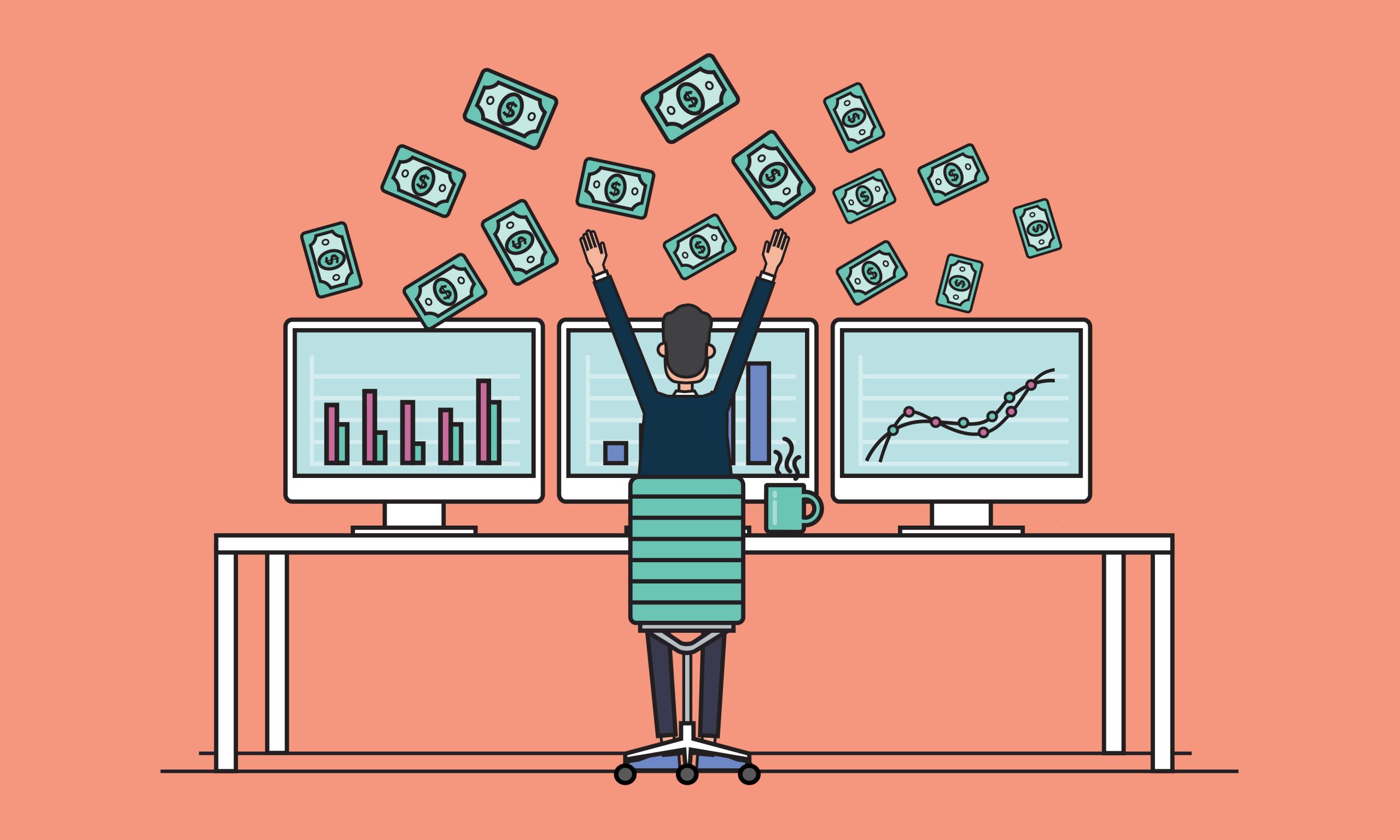
A lot of websites look good.
But looking good and actually converting visitors into customers are two very different things.
If your website is getting traffic but not leads, bookings, or sales, the issue usually isn’t your business—it’s how your website communicates, guides, and builds trust.
Let’s break down what truly makes a website convert in 2026, and what most businesses get wrong.
A conversion isn’t just a sale.
Depending on your business, a conversion could be:
A high-converting website is one that clearly guides visitors to take the next logical step—without confusion or friction.
Visitors decide whether to stay on your site almost instantly.
Within the first few seconds, they should be able to answer:
If your headline is vague, overly clever, or generic, visitors will leave—even if your service is great.
This is why we focus so heavily on clarity at Social Reach. A website that doesn’t clearly communicate value will never convert, no matter how good it looks.
High-converting websites don’t overwhelm visitors—they guide them.
This is done through:
When everything feels equally important, nothing stands out.
Good layout tells visitors where to look and what to do next.
One of the biggest conversion killers is asking visitors to do too many things at once.
A strong page usually has:
For example:
When pages are focused, conversions go up.
People don’t convert if they don’t trust you.
High-converting websites include trust signals such as:
Trust isn’t built with one element—it’s built through consistency and professionalism across the entire site.
In 2026, most visitors will see your site on a phone first.
If your website:
Conversions will suffer—no matter how good the desktop version looks.
Mobile-first design isn’t optional anymore. It’s foundational.
Every extra second your website takes to load reduces conversions.
Speed affects:
A slow website feels unprofessional—and visitors subconsciously associate that with your business.
This is where many websites fail.
Design should support:
Not just aesthetics.
At Social Reach, we design websites with one main goal: helping visitors take action.
That means every layout, color, and interaction has a purpose.
Most low-converting websites struggle because:
This is especially common with template-based sites that weren’t customized for your specific business goals.
If you’re not sure whether your website is converting—or holding you back—we recommend starting with a simple test.
That’s why we offer a free 5-Second Test: a quick UI assessment to see whether your website clearly communicates what you do and encourages action within the first few seconds.
👉 Take the free 5-Second Test to see how your website performs from a real visitor’s perspective.
A high-converting website isn’t about tricks or hacks.
It’s about:
When these elements work together, your website becomes more than an online presence—it becomes a growth tool.
If you want a website designed to convert visitors into customers, not just look nice, Social Reach is here to help.
Schedule a call with us to discuss what you need to grow