January 15, 2026
Shopify vs WooCommerce: Which Platform Is Better for Your Business?
10 mins
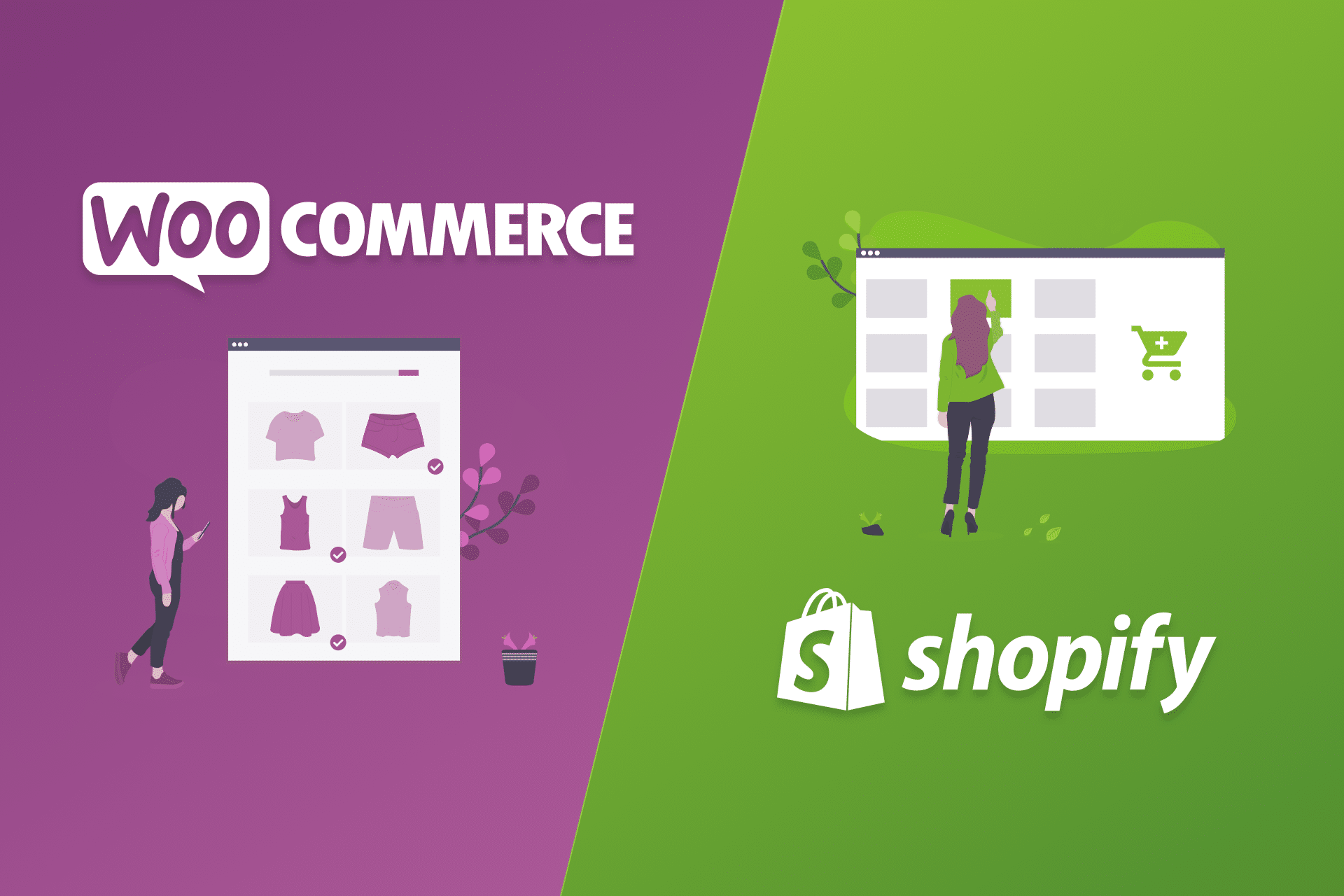

If you’re planning to sell online, choosing the right e-commerce platform is one of the most important decisions you’ll make.
Two of the most popular options are Shopify and WooCommerce.
Both can power an online store — but they’re built for very different types of business owners. In this guide, we’ll break down the real differences, including pricing, and explain why Shopify is the better choice for most small and growing businesses in 2026.
Shopify is an all-in-one e-commerce platform built specifically for selling online.
It includes:
All in one system.
Shopify is designed to be reliable, scalable, and easy to manage, even if you’re not technical.
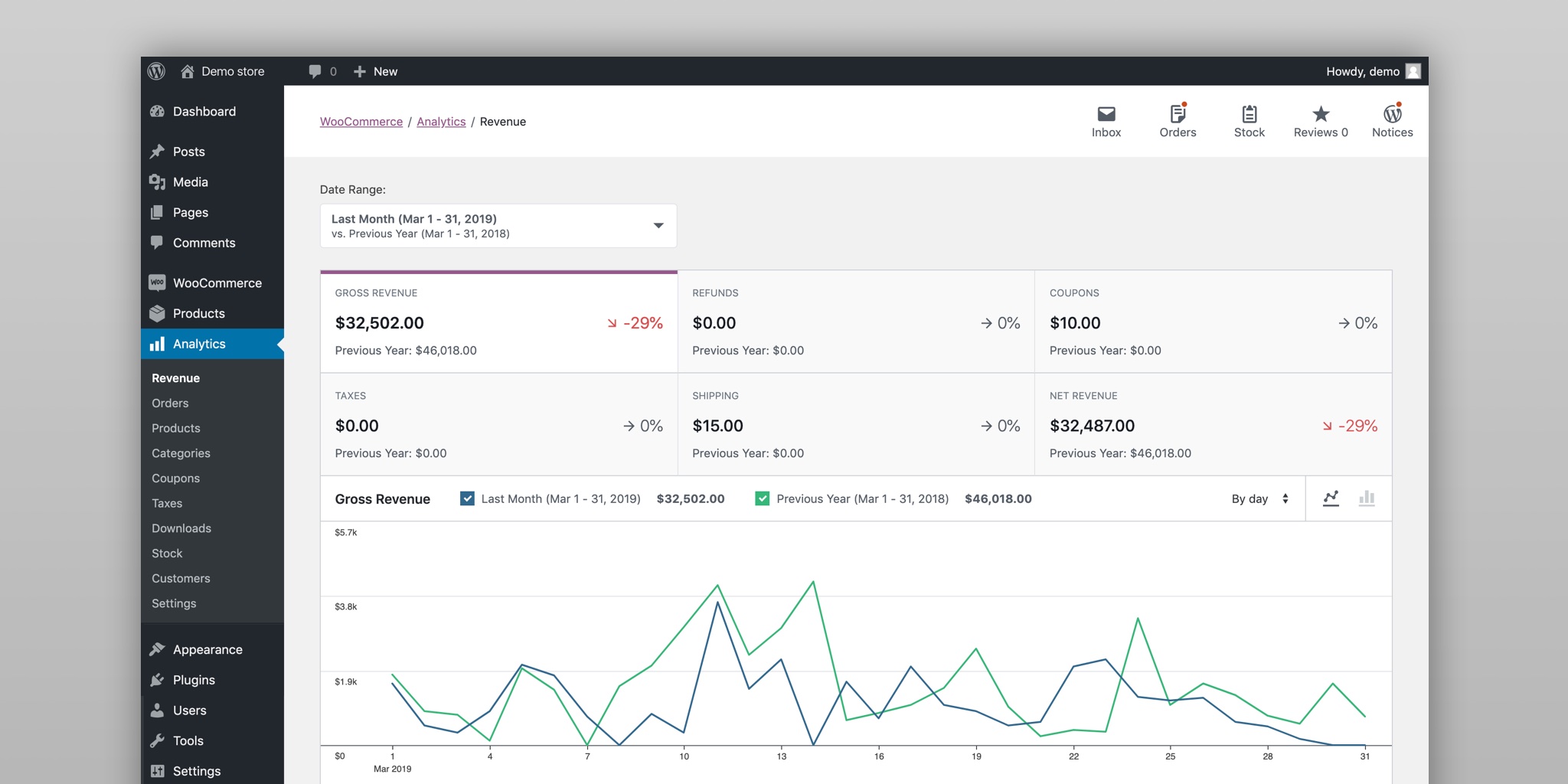
WooCommerce is a plugin that turns a WordPress website into an online store.
It offers a high level of flexibility, but it also depends on:
This gives you more control — but also more responsibility.
This is where Shopify and WooCommerce differ most.
For most business owners, simplicity wins.
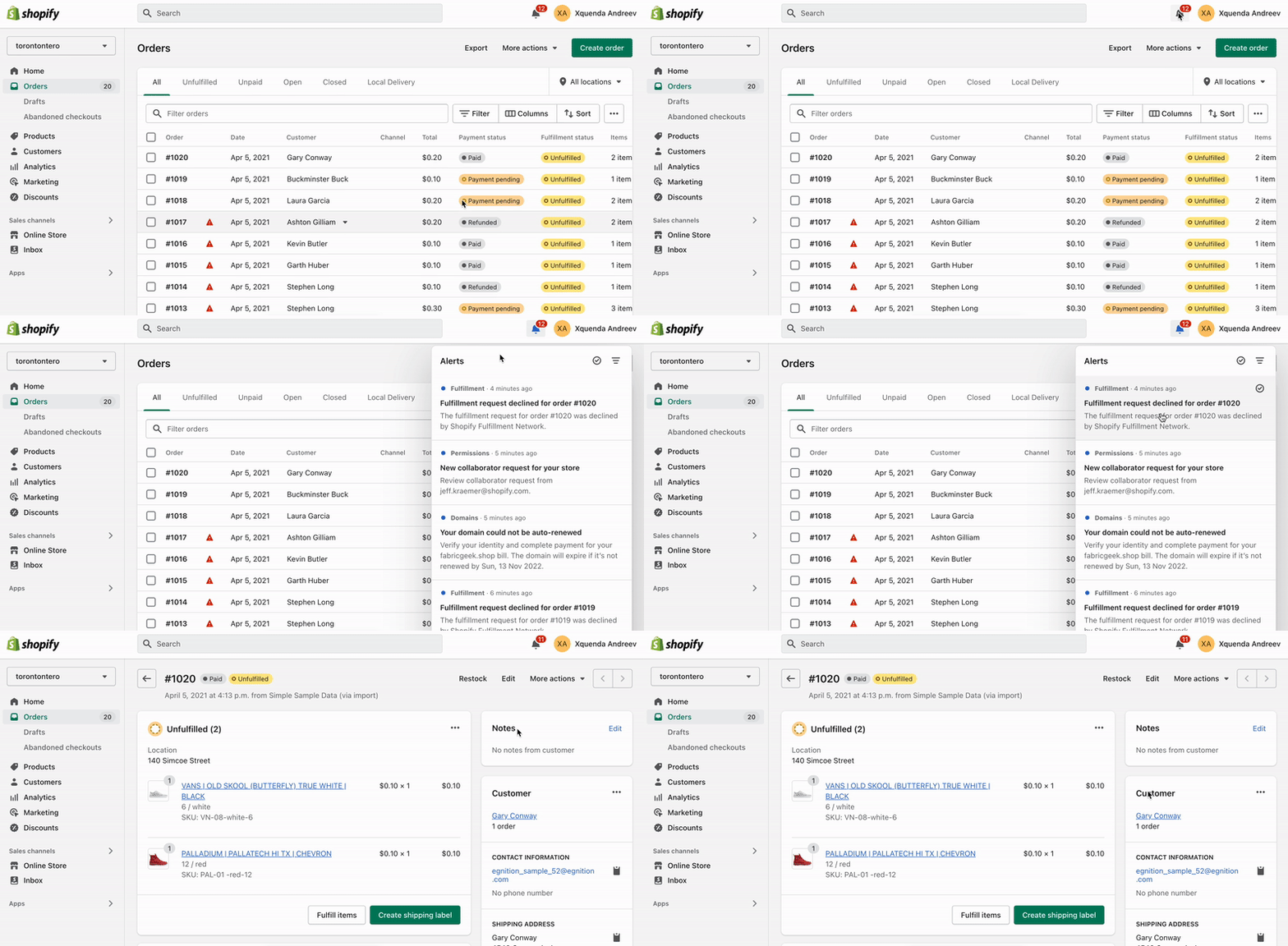
This is where many comparisons get misleading.
WooCommerce often looks cheaper at first — but Shopify includes more upfront. Let’s break it down honestly.
Shopify uses predictable monthly pricing that includes hosting, security, and core e-commerce functionality.
Common Shopify plans:
What’s included:
Some stores also use paid apps, which can add $50–$300+/month, depending on needs.
Why Shopify costs more:
You’re paying for a fully managed platform where performance, security, and reliability are handled for you.
WooCommerce itself is free, but running a real store involves multiple ongoing costs.
Typical WooCommerce expenses:
Common paid plugins include:
Reality check:
WooCommerce costs vary widely. Small stores may spend $20–$40/month, while growing stores often exceed $100–$200+/month once hosting, plugins, and support are factored in.
Although Shopify is more expensive on paper, it offers advantages that matter to growing businesses:
At Social Reach, we typically recommend Shopify because it lets us focus on design, messaging, and conversions — not technical issues.
For most business owners, Shopify provides peace of mind.
Both platforms can look great — but Shopify makes conversion optimization easier.
Shopify offers:
WooCommerce allows more customization, but conversion success depends heavily on setup quality.
For most stores, Shopify removes friction and improves reliability, which leads to better sales outcomes.
To be fair, WooCommerce can be a good option if:
But for most small and mid-sized businesses focused on selling, Shopify is the more practical choice.
At Social Reach, our goal is to build e-commerce websites that actually sell.
We recommend Shopify because it:
That combination leads to better results — not just better-looking stores.
Before committing to a platform or redesign, it helps to understand how your current website performs.
That’s why we offer a free 5-Second Test — a quick UI assessment that shows whether your website clearly communicates value and encourages action within the first few seconds.
👉 Take the free 5-Second Test to see what’s working — and what’s holding your store back.
Both Shopify and WooCommerce can work.
But in 2026, Shopify is the better choice for most businesses that want:
If you want an e-commerce website built to grow with your business, Social Reach is here to help.
Schedule a call with us to discuss what you need to grow